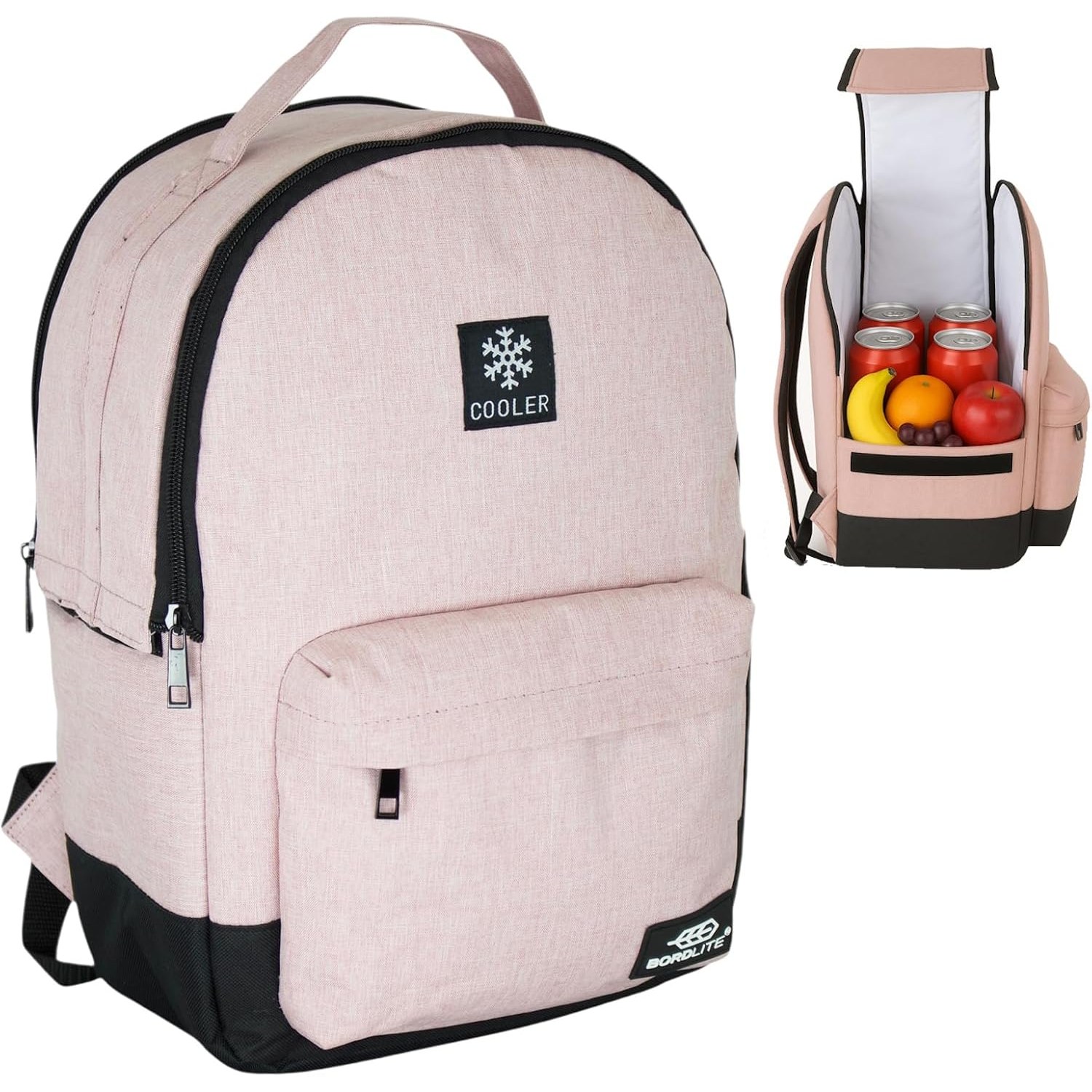
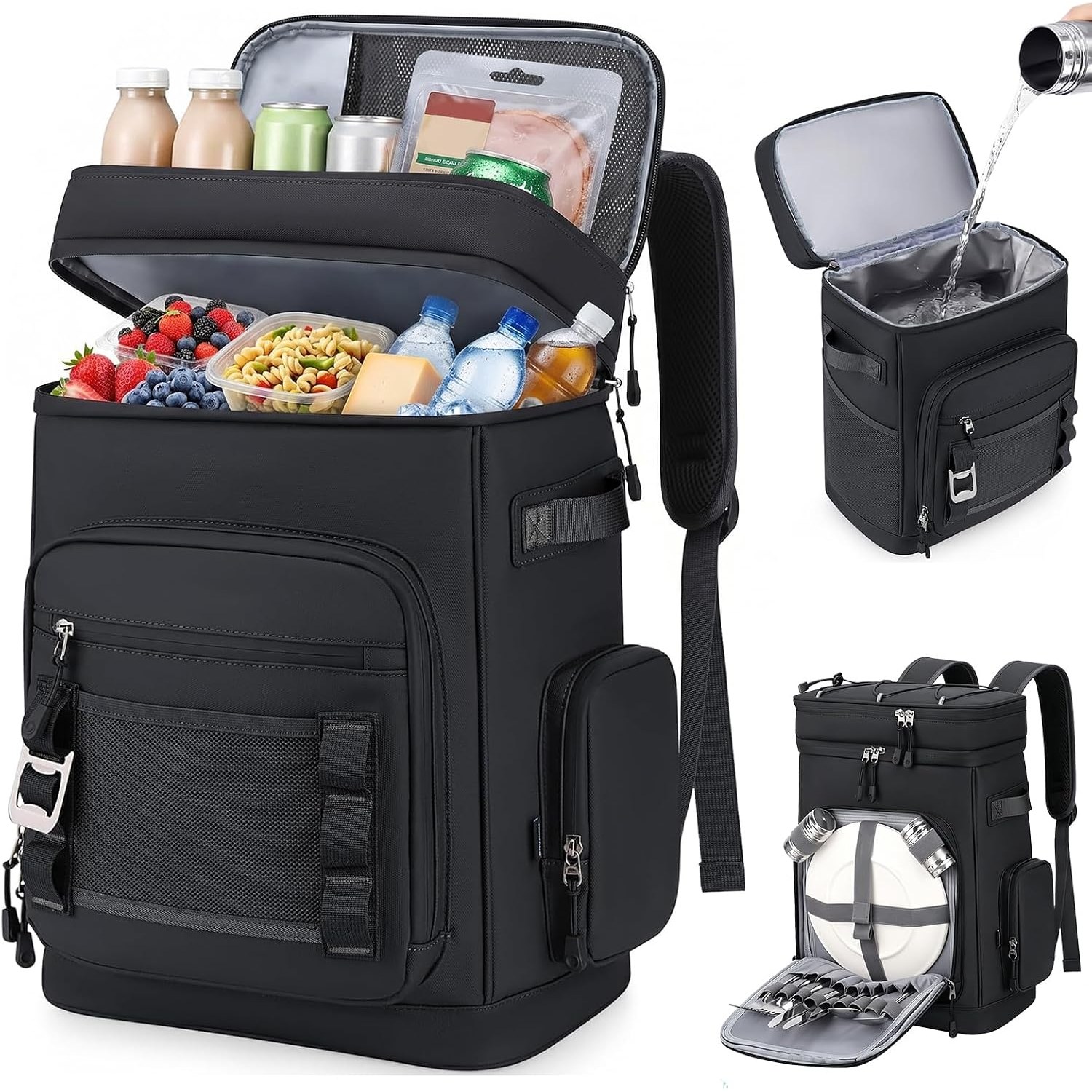
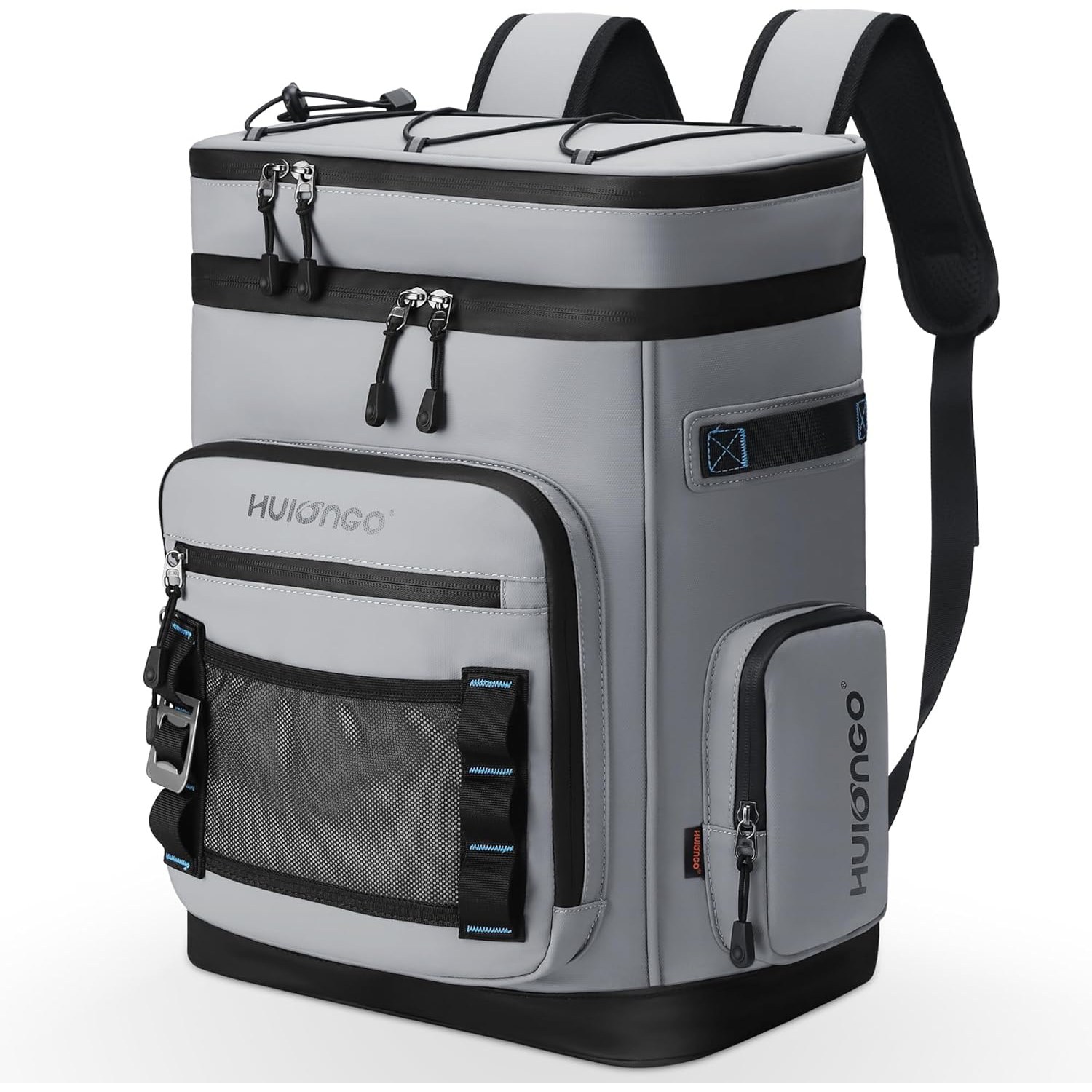
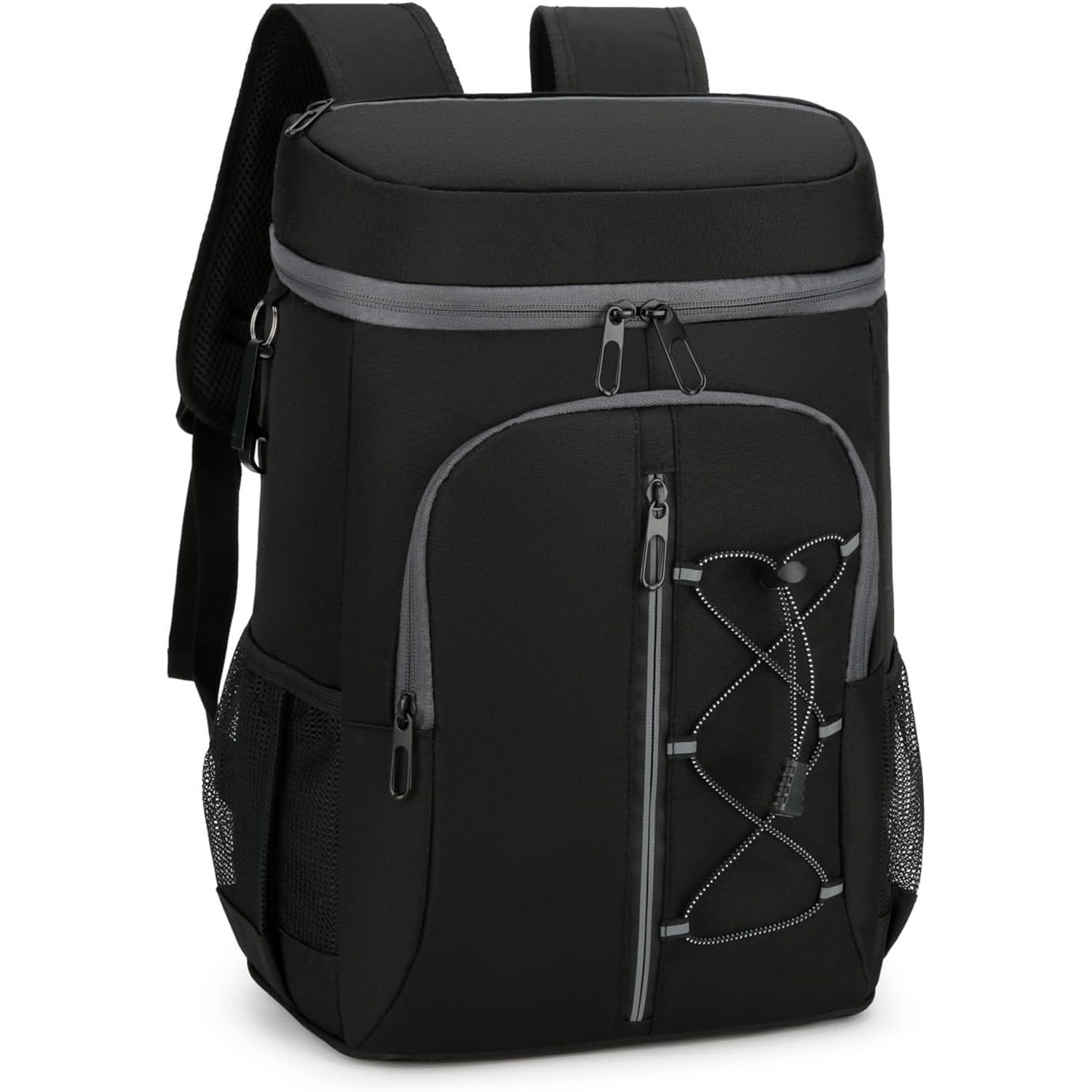
The complete guide
The Ultimate Guide to Choosing a Cooler Backpack
A cooler backpack does one useful thing that a rigid cool box can't: it keeps your hands free. Wear the cold food and drink on your back and you can carry the blanket, hold a child's hand, or manage a scramble down to the beach without setting anything down. But the bags vary a lot. Here's what actually matters when you choose one.
Capacity: match it to the trip, not the biggest number
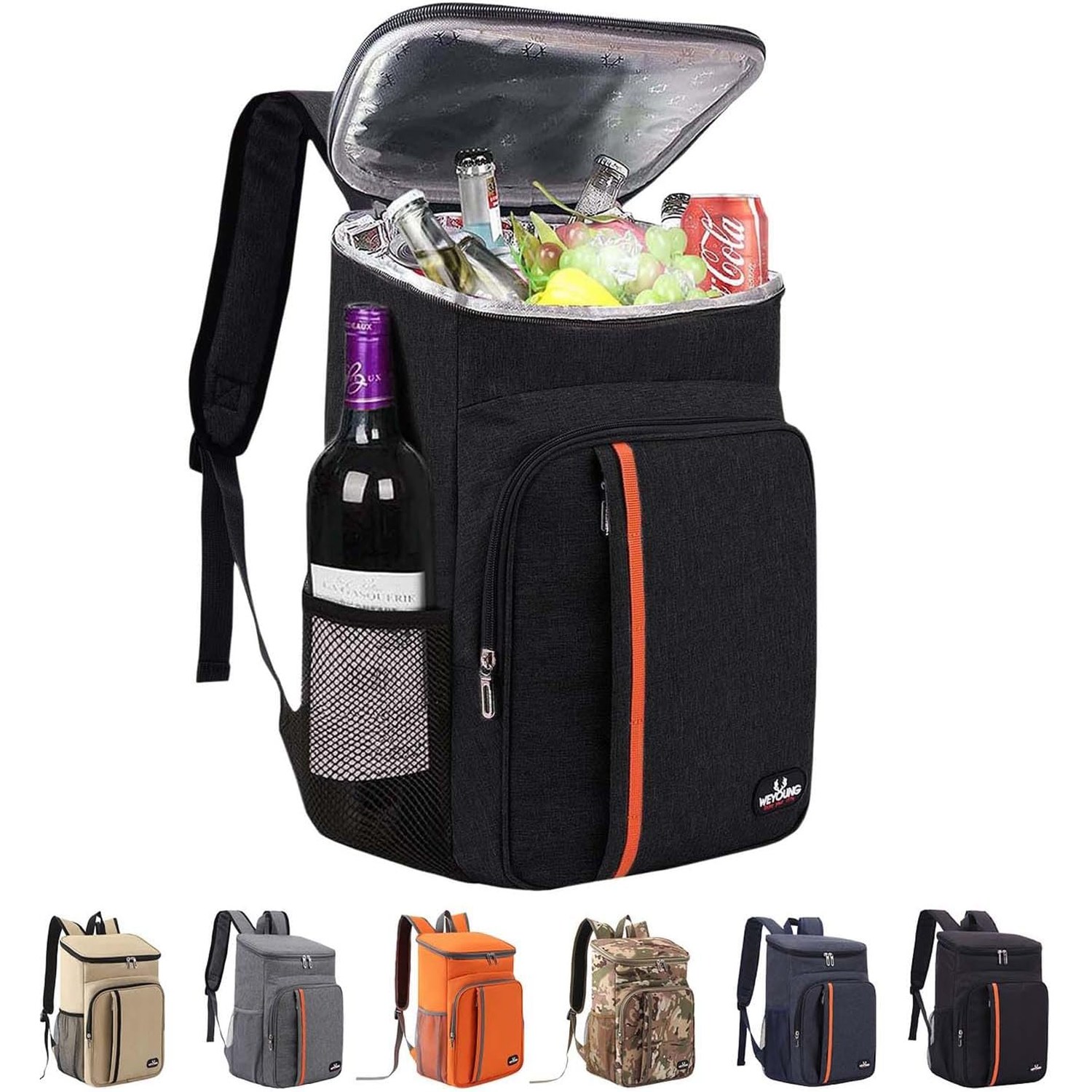
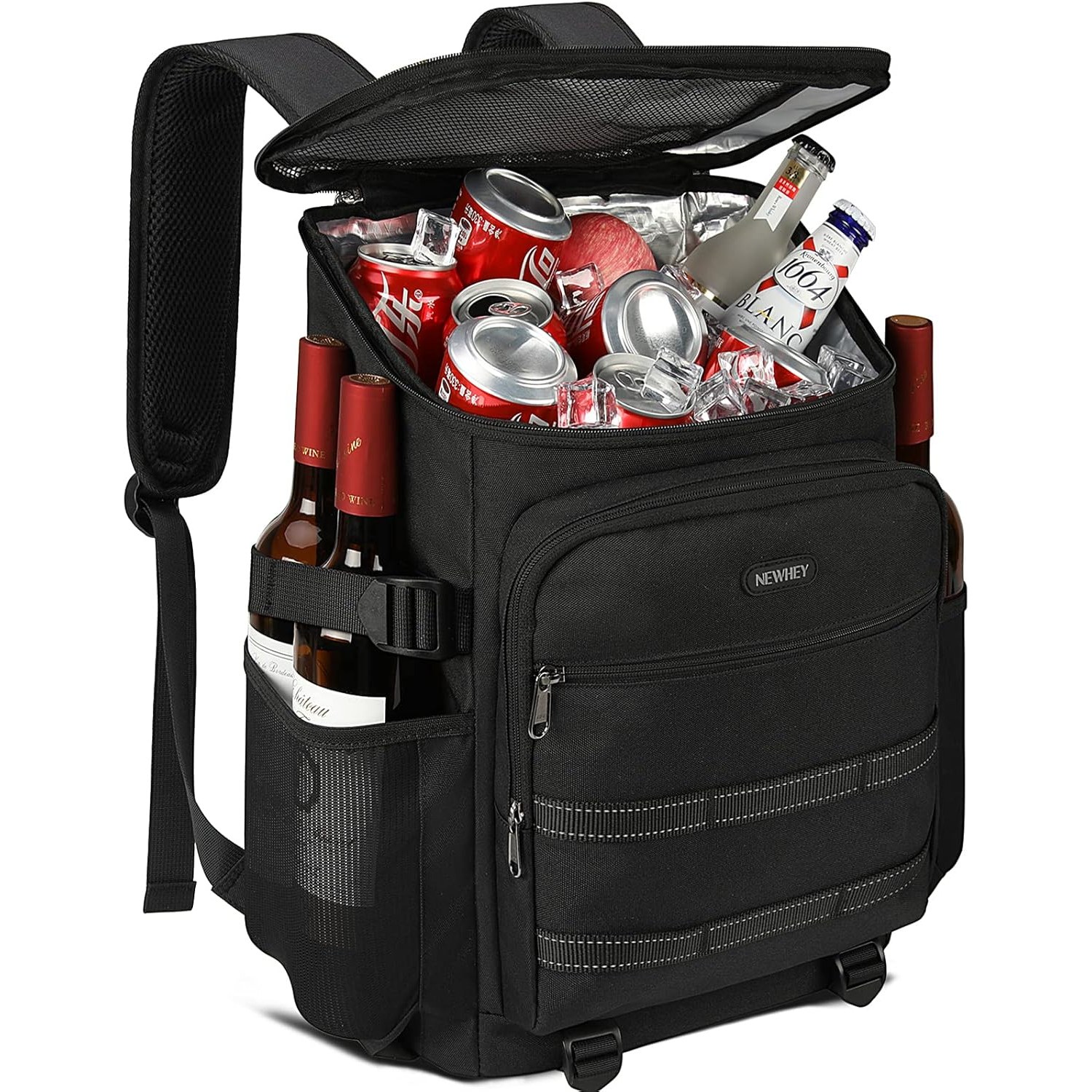
Cooler backpacks are usually rated in litres and in "cans". As a rough guide: an 18–20L bag suits a lunch and a few drinks for one or two people; 28–30L covers a couple or a small family day out; and a 30L bag that holds 36–48 cans is the one for a group picnic or a camping trip. Bigger isn't always better — a half-empty cooler warms faster than a full one, and a big bag is heavier to carry. Every product page lists exactly how much the bag holds so you can match it to how you'll actually use it.
Insulation and how long it holds the cold
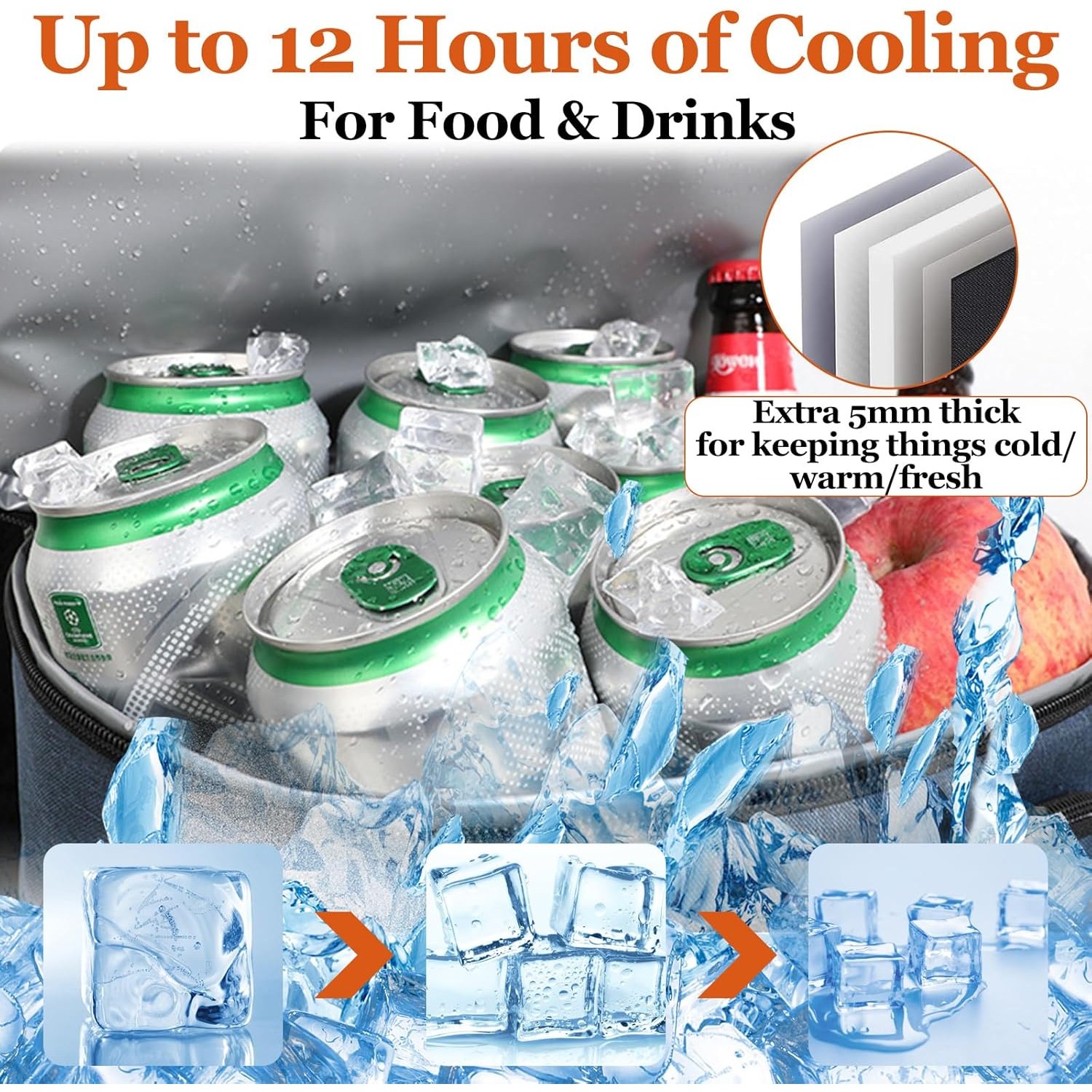
The headline number is how long a bag keeps things cold. In our range that runs from around 8 hours to 16 hours with ice packs. Thicker foam and a sealed lining hold longer, but technique matters just as much: pre-chill everything overnight, pack the bag cold, keep it full, and keep it out of the sun. Insulation slows temperature change — it can't create cold — so a cooler loaded warm never really catches up.
Leakproofing and easy cleaning
A good cooler backpack has a sealed, wipe-clean lining so melted ice and small spills stay inside instead of soaking through to your back or the car boot. Look for heat-welded or hot-pressed seams rather than stitched-only liners. A shell you can wipe down matters after a sandy beach or a muddy field, and airing the bag open after use is what keeps a cooler from smelling musty.
Comfort, pockets and extras
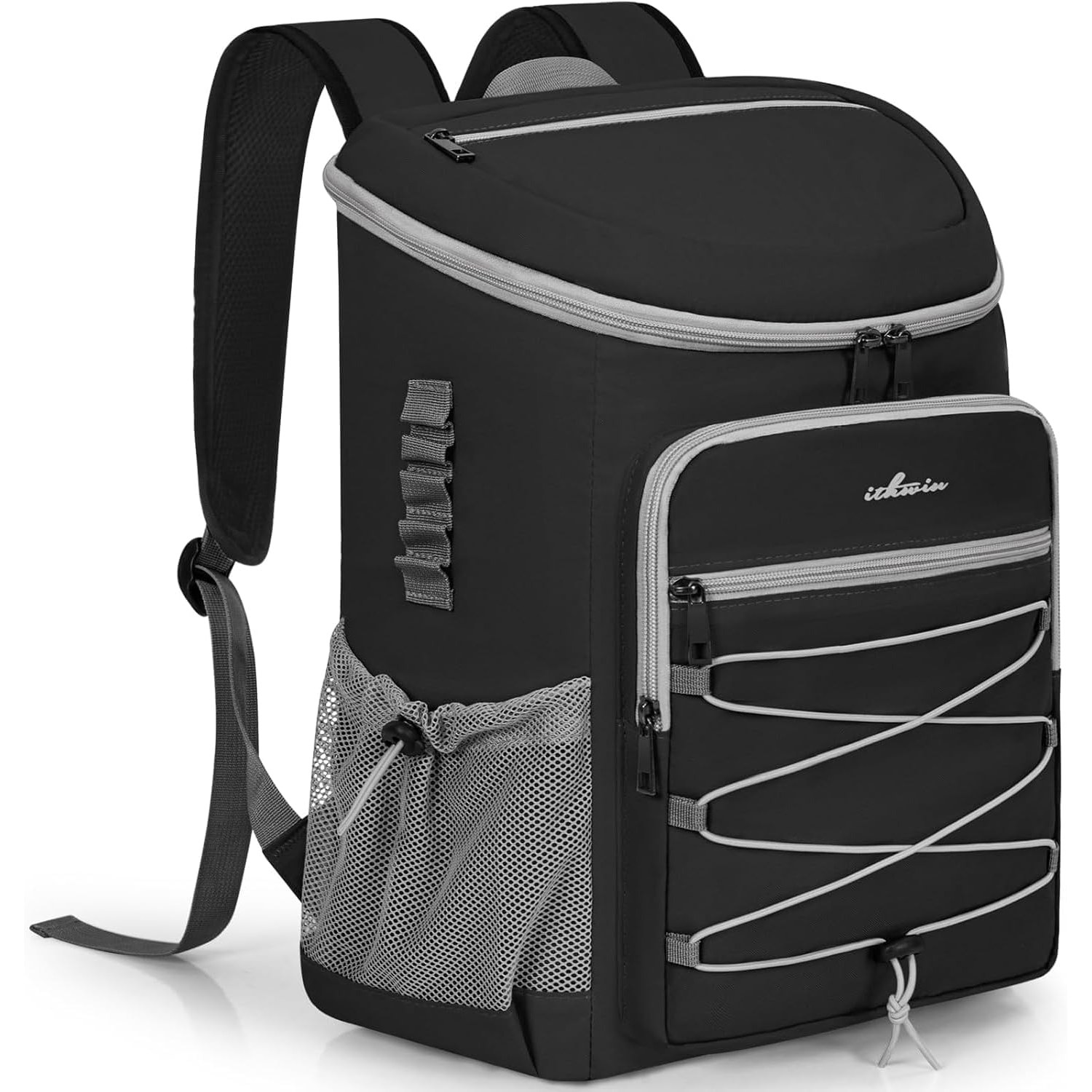
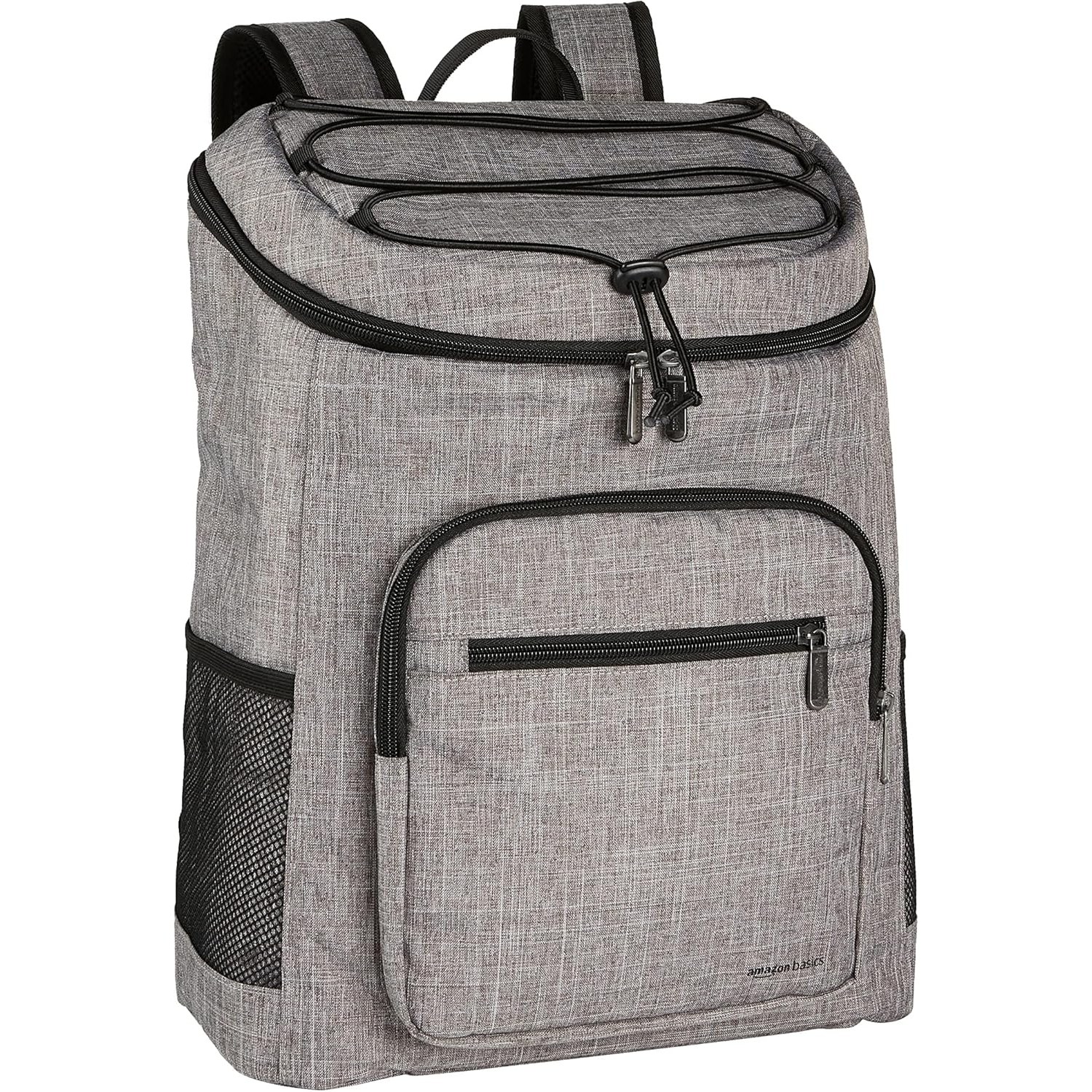
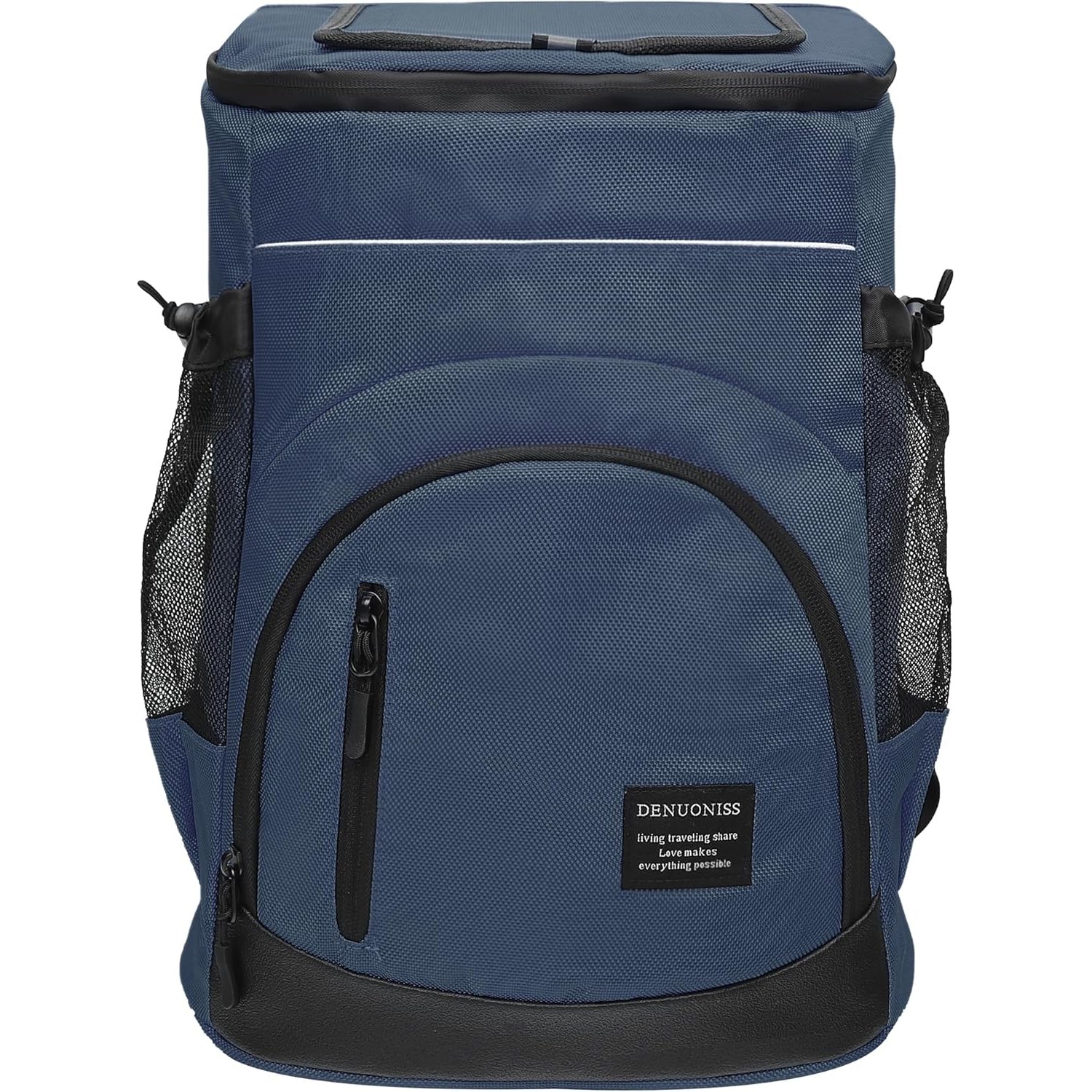
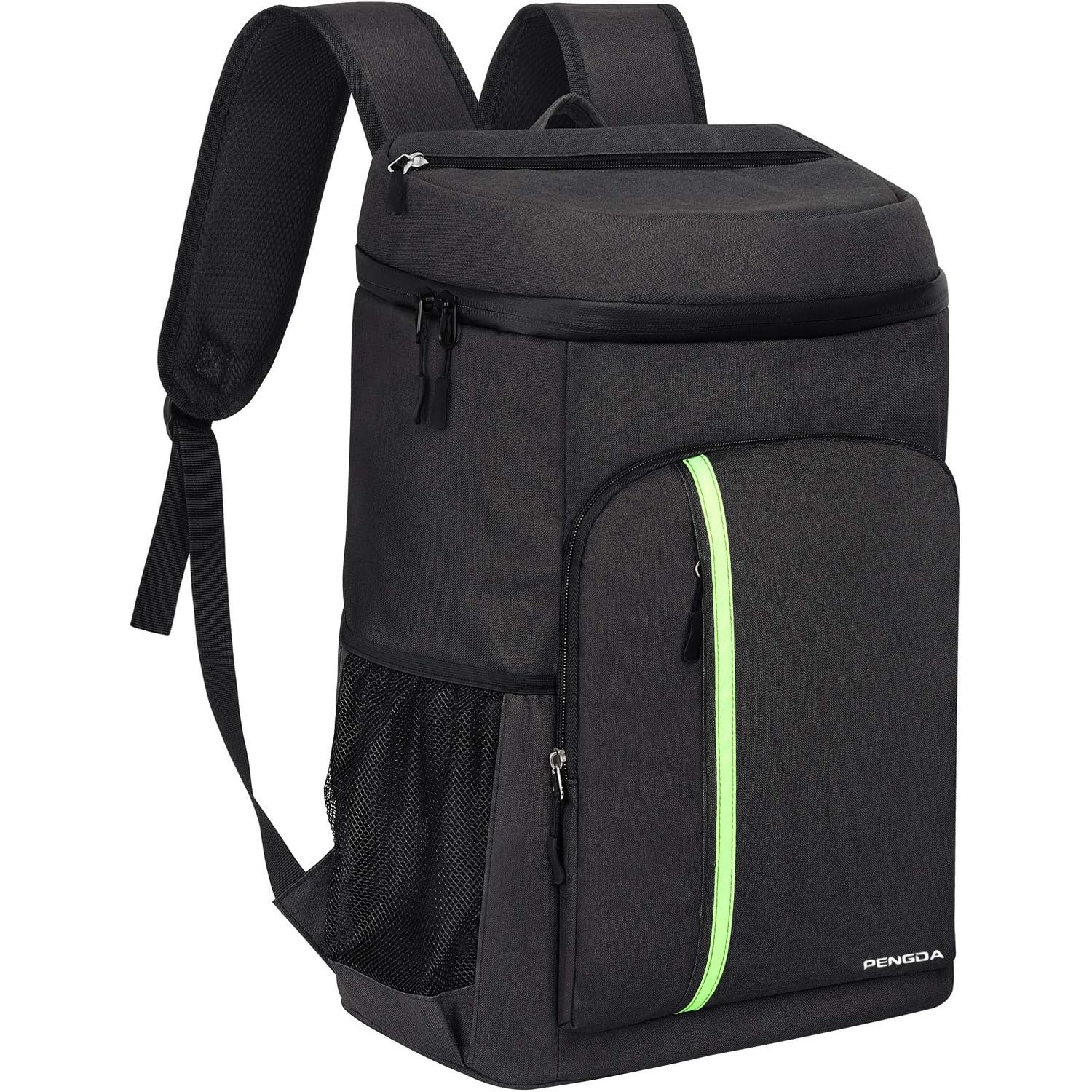
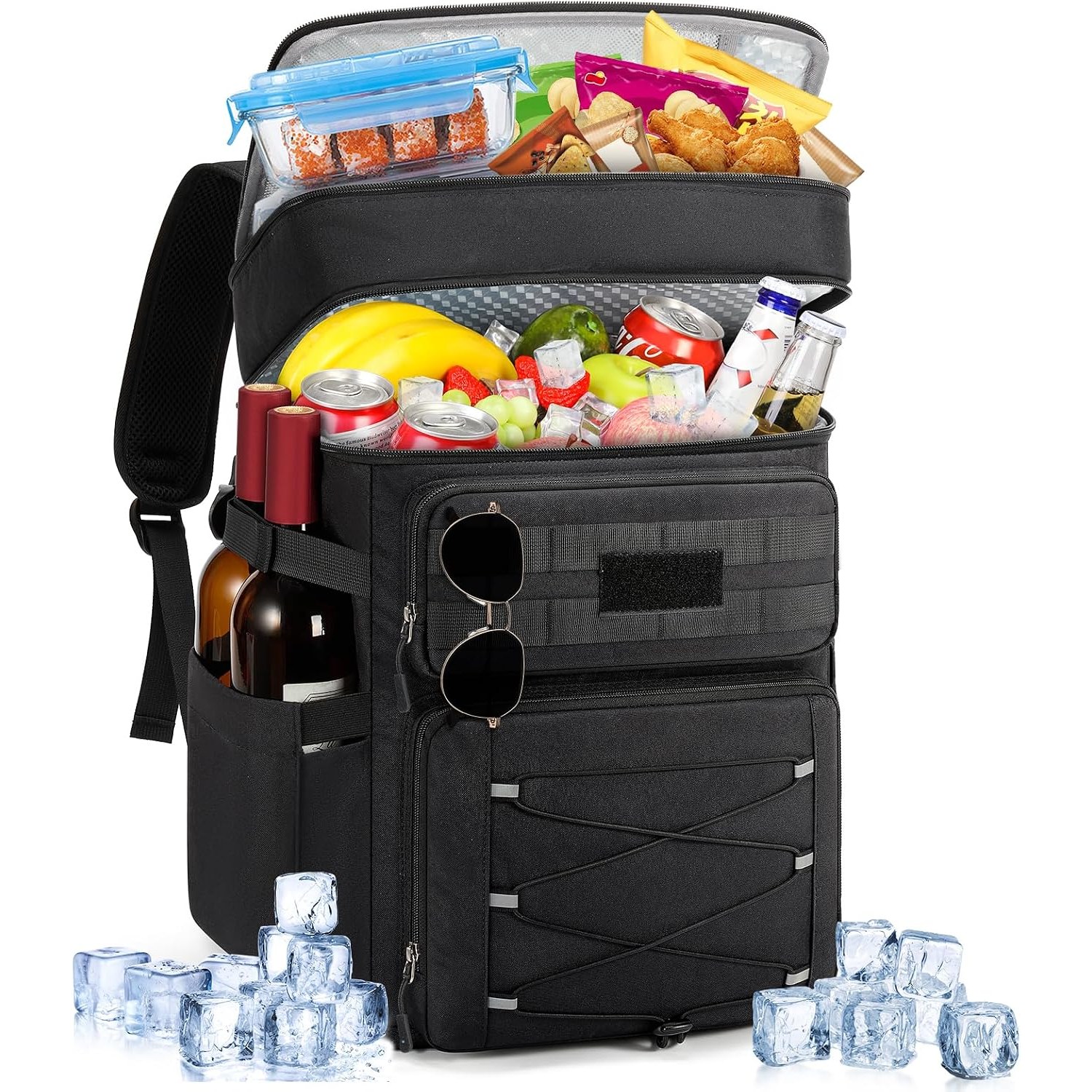
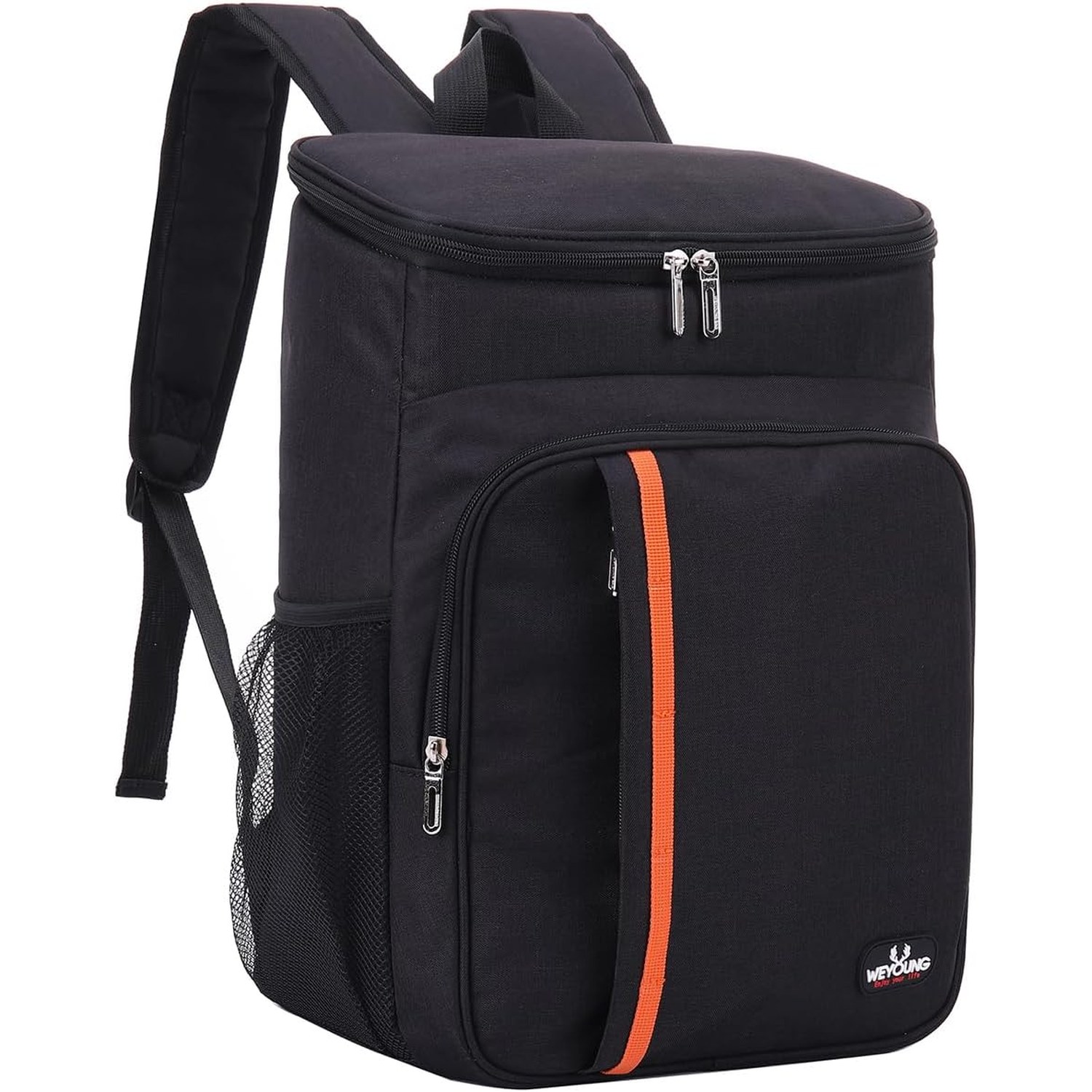
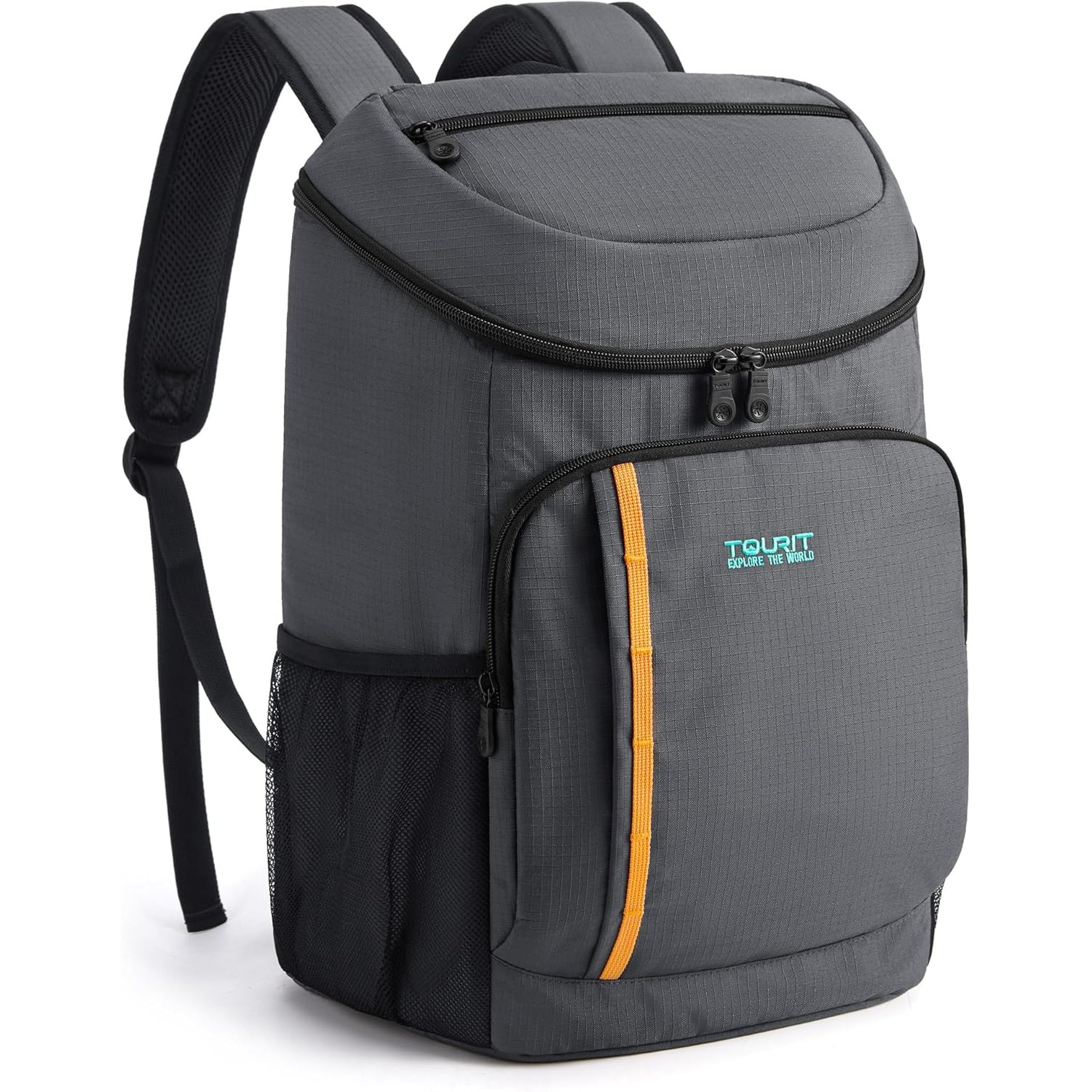
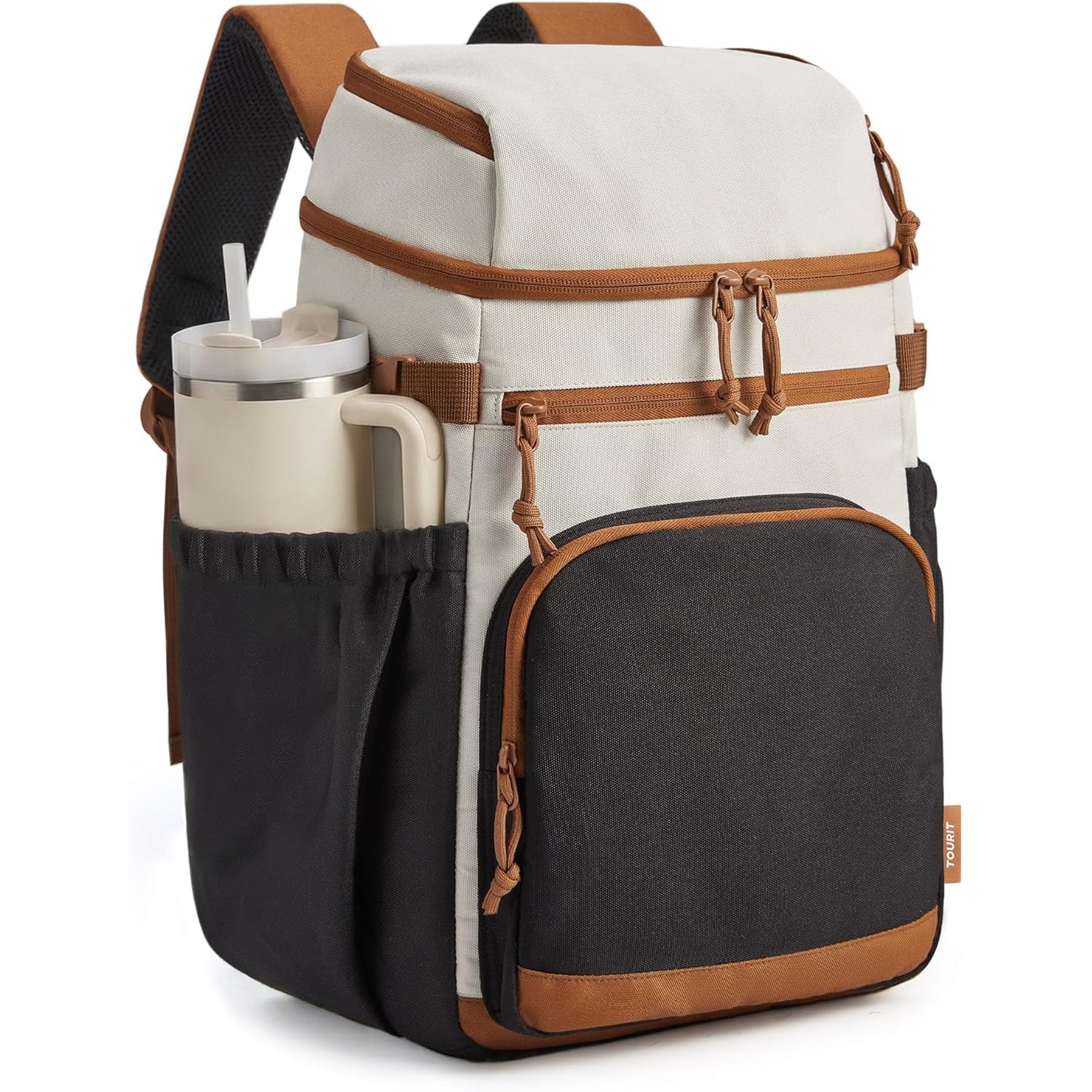
Because you wear it, the straps matter. Padded, adjustable shoulder straps and a breathable back panel make a full load genuinely easy to carry; a chest strap helps on longer walks. Beyond the main compartment, useful extras include side bottle pockets, a front pocket for cutlery and keys, a bottle opener on the strap, and — on the bigger bags — a picnic-mat holder or a second insulated zone so hot food and cold drinks stay apart. Decide which of these you'll actually use, and don't pay for the ones you won't.